Disclosure: Some links in this post are affiliate links. As an Amazon Associate, Arb Mobiles earns from qualifying purchases, at no extra cost to you.
Cheap IEMs have gotten seriously good. Over the past year I’ve reviewed a handful of budget in-ear monitors on Arb Mobiles, and four of them cost $50 or less. After using them as my everyday earphones, I’m not going back to regular earbuds for music. This guide pulls those reviews together so you can pick one without reading all of them.
The short answer: the ZIIGAAT x Vivir Digital Rumba ($35) has the best sound of the group, the Kiwi Ears Cadenza II (about $50) is the most comfortable for long sessions, and the Kiwi Ears Belle ($29) is the one to get if you only have about $30.
My picks at a glance
| IEM | Price when tested | Driver | Best for |
|---|---|---|---|
| ZIIGAAT x Vivir Digital Rumba | $35 | Graphene dynamic driver | Best sound under $50 |
| Kiwi Ears Cadenza II | About $50 | 10mm titanium-coated driver | Most comfortable |
| Kiwi Ears Belle | $29 | 10mm DLC driver | Best under $30 |
| Kiwi Ears x B_Media Chorus | $40 | DLC dynamic driver | Bass lovers |
| Kiwi Ears AIROSO | $130 | 1 dynamic + 4 balanced armature | Worth the step up |
How I tested them
Each of these was my daily pair of earphones for a while, mostly for two weeks to a month, and I’ve noted the exact time for each pick. I listened across hip-hop, pop, EDM and vocal-heavy tracks, pushed each one to full volume to check for distortion, and tried different ear tip sizes until I found the best seal. Some of these were sent to me by brands for review, like the Rumba from Kiwi Ears. Either way, what you read here is what I actually heard and felt.
The best budget IEMs under $50
Best sound under $50: ZIIGAAT x Vivir Digital Rumba
Price when I tested it: $35 | Review unit: sent to me by Kiwi Ears
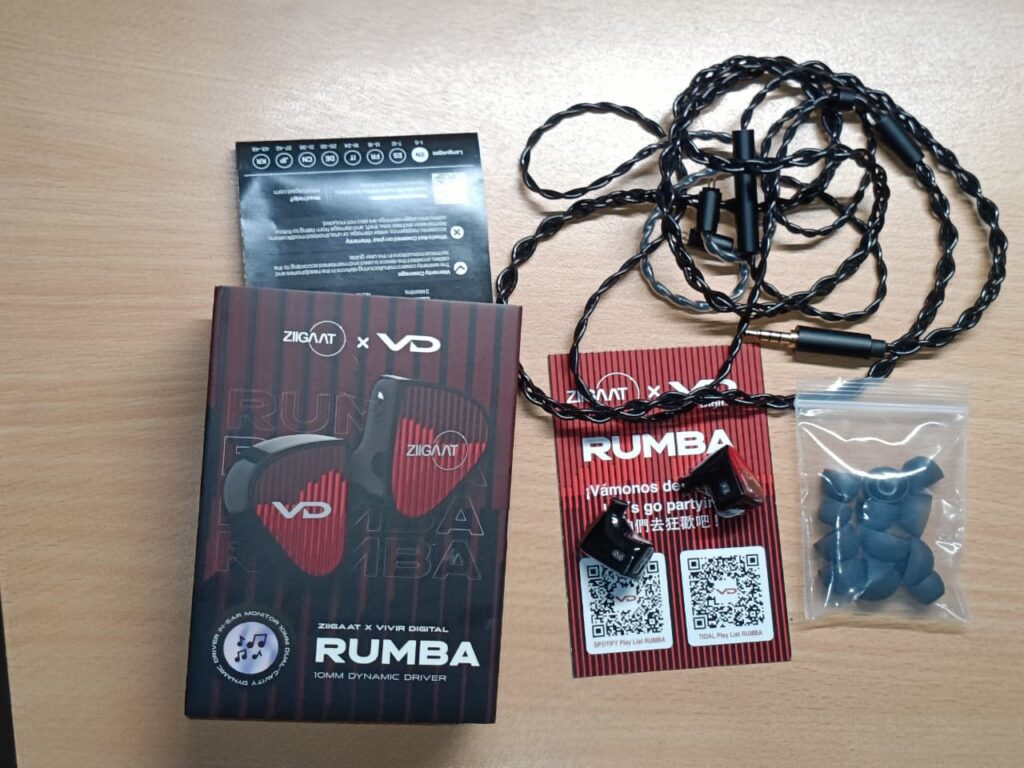
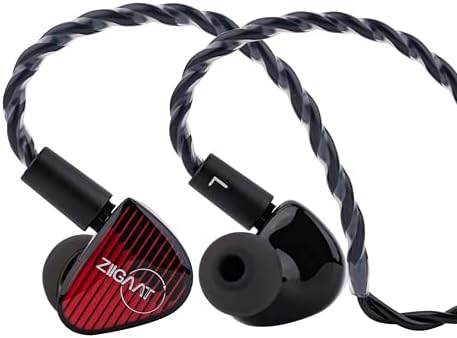
The Rumba surprised me. I thought the Kiwi Ears Cadenza II had the best sound you could get on a budget, and the Rumba beats it. It uses a graphene dynamic driver in a dual-cavity design, with a boost in the sub-bass and a tweak around 2.8kHz to keep vocals and treble clear.
What I liked: the bass is balanced, the treble sounds great and instrument separation is excellent, with no muddy mixing. Vocals sit clearly on top, and there was no distortion even at full volume. The 1.5-meter cable has a mic and volume controls built in.
Worth knowing: the shells are a little larger than average, and my ears got slightly tired during very long sessions. The mids also sit a touch lower than the bass and treble.
Read my full ZIIGAAT x Vivir Digital Rumba review
Most comfortable: Kiwi Ears Cadenza II
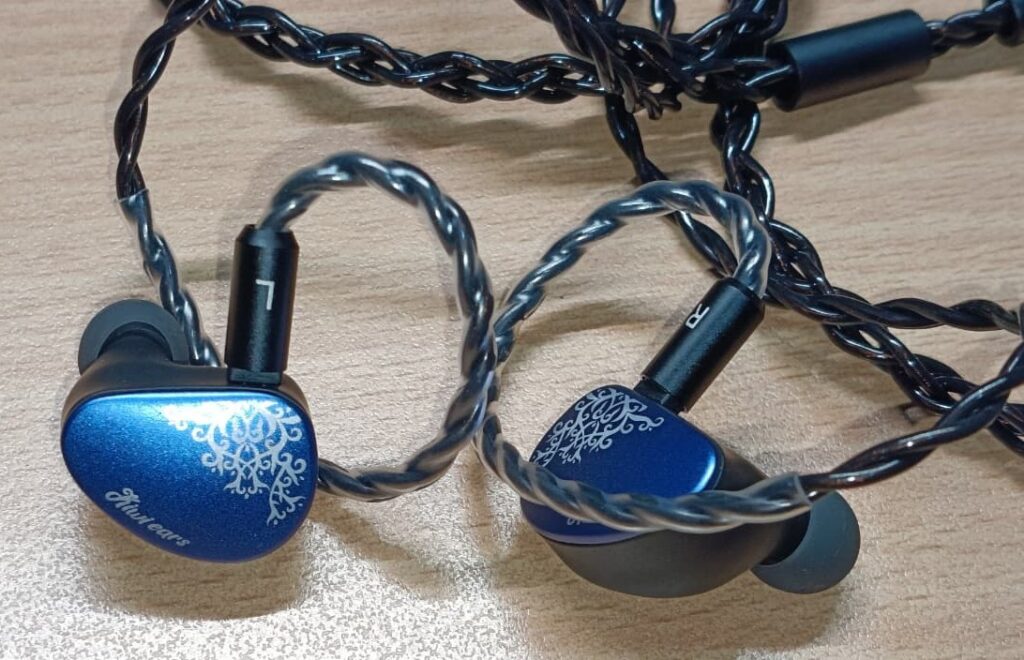
Price when I tested it: about $50 | How long I used it: several weeks
If you wear earphones for hours, the Cadenza II is the one. It’s one of the most fatigue-free IEMs I’ve used at this price, and it sat perfectly in my ears from the first time I put it in. Inside is a 10mm titanium-coated driver with Kiwi Ears’ KARS 2.0 system, which adds a controlled bass boost.
What I liked: the sound is rich and refined, with lush, natural mids, smooth but detailed treble and textured sub-bass. It stayed clean at high volume, and the detachable 2-pin cable means a damaged cable is a cheap fix.
Worth knowing: there’s no carry case in the box, and it’s the most expensive pick in the under-$50 group.
Read my full Kiwi Ears Cadenza II review

Best under $30: Kiwi Ears Belle
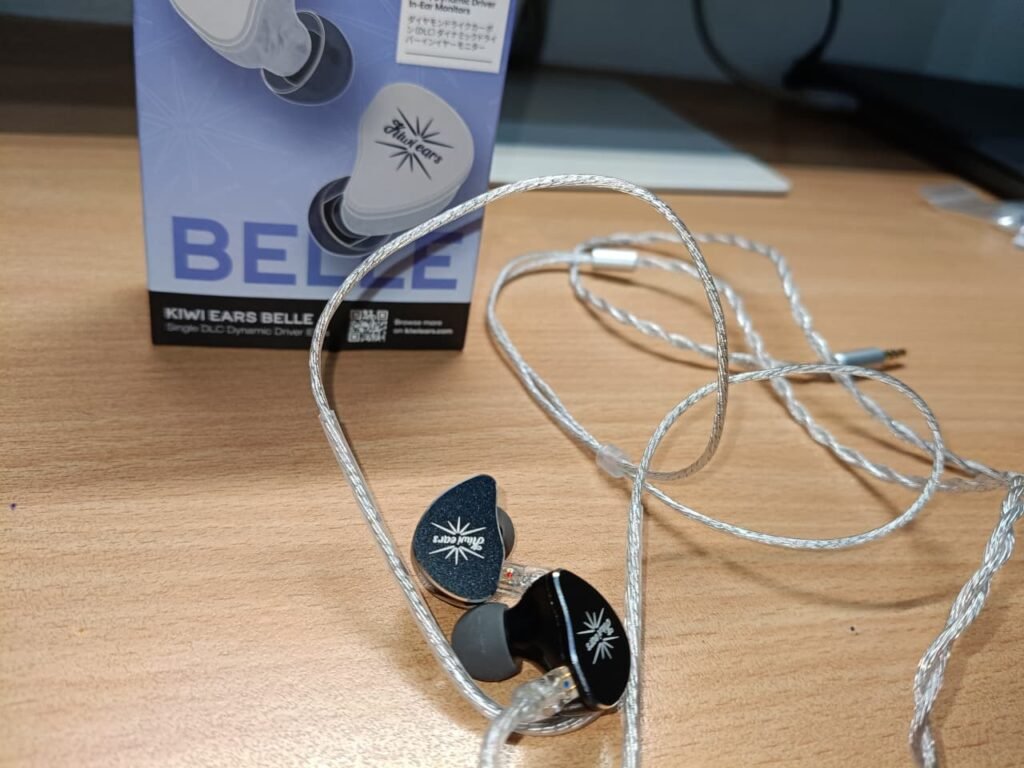
Price when I tested it: $29 ($32 with a mic, $34 for USB-C with a mic) | How long I used it: about a month
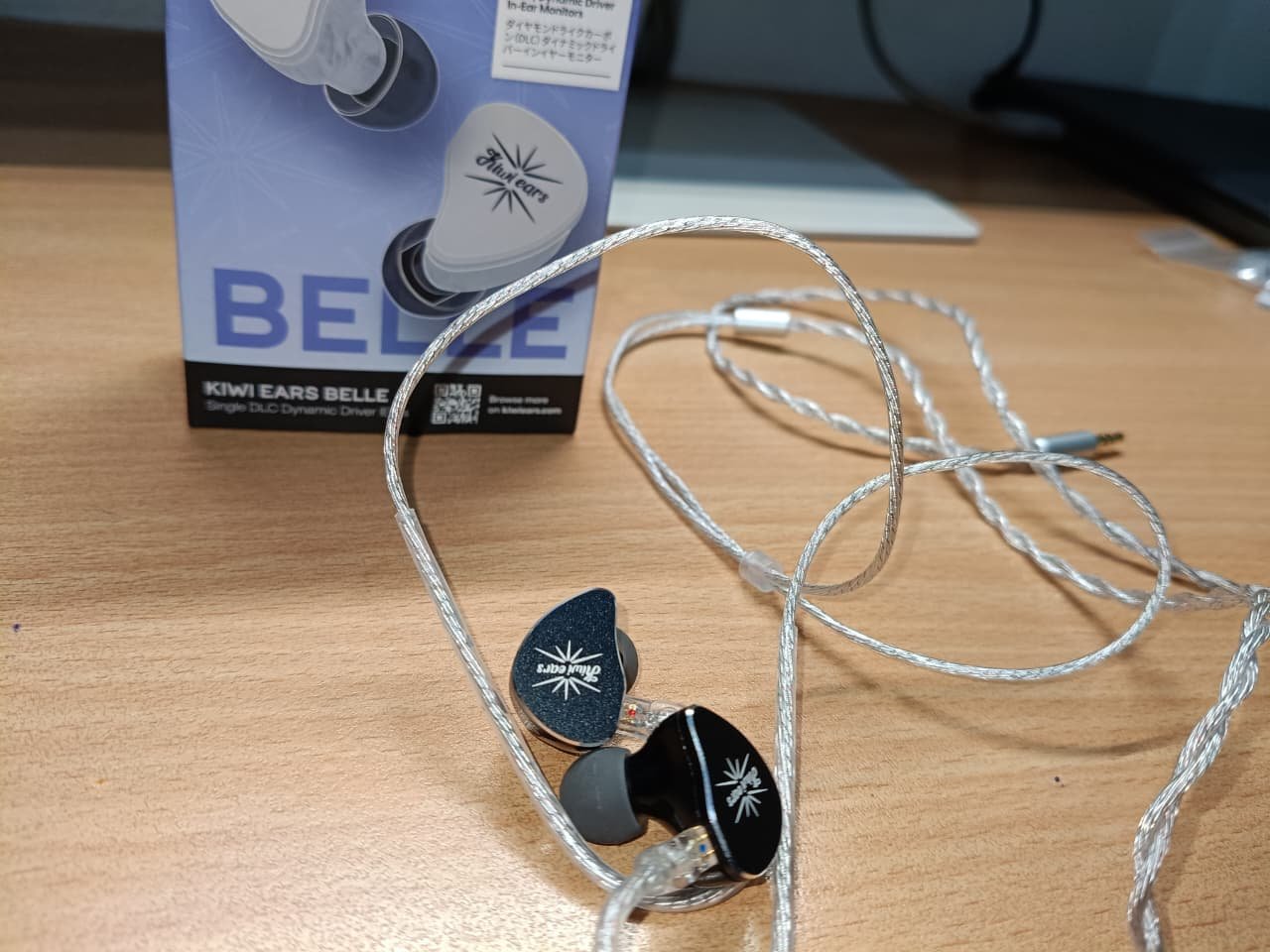
The Belle is the one I’d hand to anyone switching from regular earbuds. After a month with it, I didn’t want to go back. It has a 10mm DLC driver, CNC-machined faceplates that look far more expensive than $29, and a detachable cable.
What I liked: it fit perfectly on walks and train rides without falling out or getting tiring. Vocals are clear, instruments are easy to pick out, and the bass is deep and punchy. It stayed crisp at full volume with no distortion, and a storage case and six pairs of ear tips come in the box.
Worth knowing: the base model has a 3.5mm plug. If your phone has no headphone jack, get the USB-C version.
Read my full Kiwi Ears Belle review

Best for bass lovers: Kiwi Ears x B_Media Chorus

Price when I tested it: $40 | How long I used it: about three weeks
The Chorus is a collaboration with reviewer B-Media, and it’s tuned to be fun. A big sub-bass boost gives it that subwoofer-like thump, but the mids don’t get buried. I used the USB-C version, which has a mic and a play/pause button on the cable.
What I liked: lush, clear mids, impactful bass and smooth treble, plus good passive noise isolation once I found the right tips (small, in my case). It looks great too, with a starburst faceplate.
Worth knowing: there’s no carry case, and at the very top of the volume range I heard slight jitter in complex tracks.
Read my full Kiwi Ears x B_Media Chorus review

Worth the step up: Kiwi Ears AIROSO
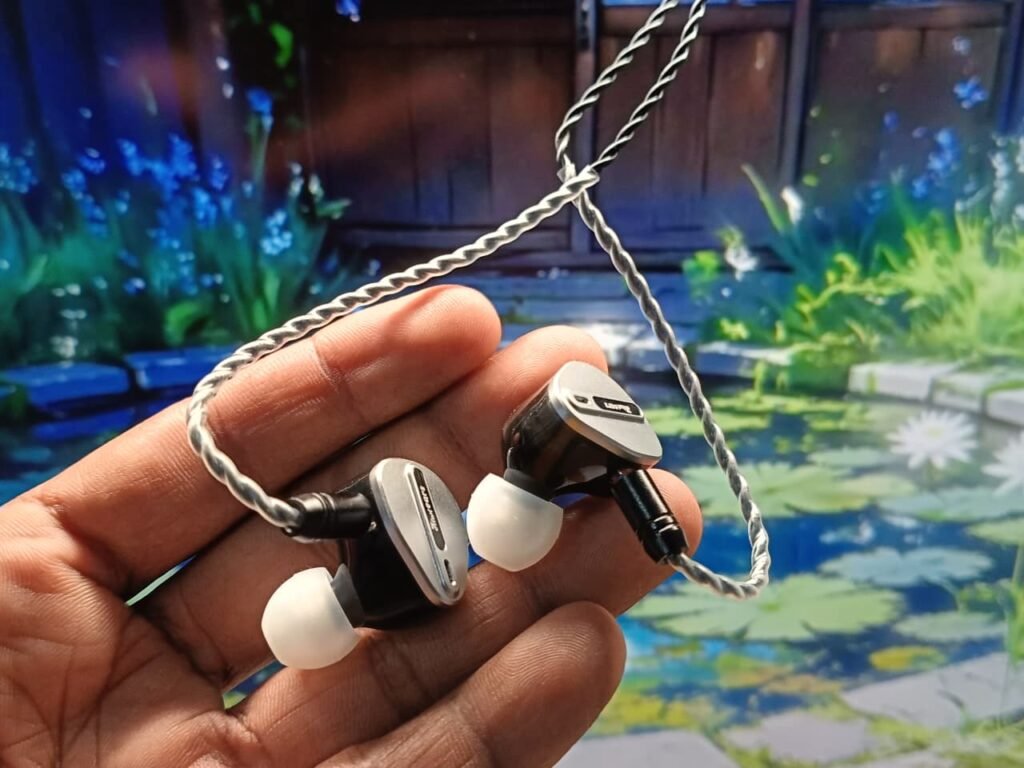
Price when I tested it: $130 | How long I used it: a couple of days, so a shorter test than the others
If you can stretch your budget, the AIROSO moves up to a hybrid setup with one dynamic driver and four balanced armature drivers. In my time with it the sound was clear and crisp across genres, with great bass and treble and no fatigue. Each earpiece weighs just 12g, and it comes with a nice carry case and a detachable cable. The shells are a little bigger than some rivals, but the light weight makes up for it.
Read my full Kiwi Ears AIROSO review
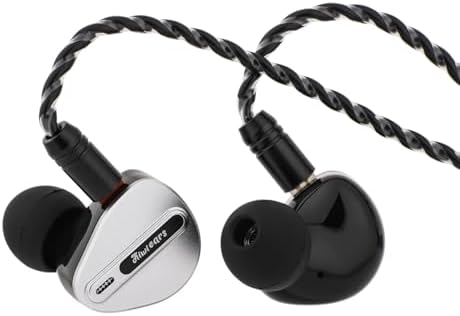
Two alternatives
- EarFun EH100 ($99): wired earphones with swappable tuning nozzles for a balanced or more ambient sound, a carry case and a silver-plated cable. I used them for two weeks. There’s no mic or volume buttons on the cable, which is a miss at this price.
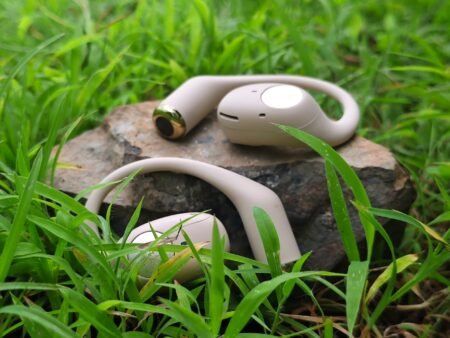
- Kiwi Ears Spark ($45): not an IEM at all, but an open-ear Bluetooth pair for running and workouts. It rests on your ear instead of sealing it, so you can hear traffic. Very comfortable, though the metal charging case is heavy.

How to choose a budget IEM
Check the plug. Many budget IEMs come with a 3.5mm cable by default. If your phone doesn’t have a headphone jack, either pick a USB-C version (the Belle and Chorus both offer one) or use a small USB-C dongle.
Decide if you need a mic. For calls, get a version with a mic on the cable. The Rumba includes one, the Belle has a mic version for $3 more, and the Chorus comes in mic versions too.
Look for a detachable cable. The cable is usually the first thing to break. The Belle, Cadenza II and Rumba all have detachable cables, so a damaged one is a cheap fix instead of a new pair.
Take ear tips seriously. Sound and comfort depend on the seal. I ended up on small tips with the Chorus and the second-largest size with the Cadenza II, so try a few before you judge the sound.
Case or no case. The Belle and AIROSO include one. The Cadenza II and Chorus don’t, so budget a few dollars for a case if you carry them in a bag.
Frequently asked questions
What is an IEM?
IEM stands for in-ear monitor. They started out as earpieces for musicians on stage. Compared with regular earbuds, they usually have better drivers, a deeper, more secure fit and a detachable cable.
Are budget IEMs better than wireless earbuds?
For sound quality per dollar, usually yes. When I switched from regular earbuds to the $29 Belle, the jump in vocal clarity and instrument separation was obvious right away. The trade-off is the cable.
Which budget IEM has the most bass?
The Kiwi Ears x B_Media Chorus is the most bass-focused of my picks. The Rumba also has strong sub-bass but sounds more balanced overall.
What is the best IEM under $30?
The Kiwi Ears Belle at $29. It looks and sounds far more expensive than it is.
Final thoughts
You don’t need to spend much to get great-sounding earphones anymore. If sound is what matters most, get the Rumba. If you wear earphones all day, get the Cadenza II. If you’re on a tight budget or just trying IEMs for the first time, the Belle is an easy pick. I’ll keep this guide updated as I test more.